
What Three Nights of Poor Sleep Taught Me.
You can't pour energy into your life if you never refill the tank.
Last weekend wasn't just the Fourth of July. it was also The Compassionate Friends National Conference in Baltimore.
Why would anyone choose to spend a holiday weekend at a grief conference?
Because it's one of the few places where I can talk openly about my sister, Lauren, with people who truly understand. I can share stories about her life, talk about the struggles that came after her death, and remember her without hearing, "I'm sorry for your loss," or sensing the uncomfortable looks that often end the conversation before it even begins.
For a few days, I get to be Lauren's big brother again.
My chosen sibling family doesn't try to replace her. They simply understand. They listen, laugh, and offer advice when I ask. They help fill the space that still exists when I miss her.
My wife pointed out something I hadn't noticed before: at the conference, I become a kid again.
When Lauren was alive, we were always getting into shenanigans. We laughed at inappropriate times, teased each other endlessly, and never took ourselves too seriously. That's exactly the version of myself that shows up every year at the conference.
And that creates an interesting problem.
When you're a kid, you don't want to go to bed. You want to stay up talking with your friends because you don't want the day to end.
Emotionally, that's where I was.
Physically? I'm 54 years old... turning 55 in August.
Normally, I'm disciplined about sleep. I average 7 to 7½ hours each night. During the conference, I managed only 3 to 4 hours a night. Add five workshops over three days, and I received a very clear reminder of just how powerful sleep really is.
The first thing I noticed was my mental performance.
Before each workshop, I found myself warning everyone that I was sleep deprived. Words that should have come easily disappeared. I became distracted more easily, and it took longer to process questions from the audience.
Then came the physical effects.
I was on my feet most of the day and dancing every night. (Yes, we have a sibling dance party. Grief and joy can absolutely exist together.)
Normally, one good night's sleep is enough for my body to recover. This time, everything hurt. My muscles were sore, my big toe developed a mysterious ache, and my body simply wasn't bouncing back the way it normally does.
Finally, there was my energy.
I'm usually someone who jumps out of bed ready to tackle the day. Instead, I reached for sugar and caffeine just to function. I even skipped exercise, something I usually do five days a week.
And that becomes a vicious cycle.
Less sleep leads to less energy.
Less energy leads to skipping exercise.
Skipping exercise leads to even less energy.
All of that... after just three days of poor sleep.
When I got home Sunday night, I turned off my alarm and let my body decide when it was ready to wake up.
Ten and a half hours later, I finally opened my eyes.
My mind probably would have been satisfied with seven hours. My body clearly had a different opinion.
I already feel dramatically better, although I know it'll take another day or two before I'm firing on all cylinders again.
We're constantly told that diet and exercise are the foundations of good health.
But more and more research suggests sleep may be even more important.
If you're struggling with grief, don't overlook one of the most powerful healing tools available.
Protect your sleep.
It's not just about getting enough hours. It's about getting the right amount of sleep, at the right time for your body, and making sure the quality of that sleep is good.
Sometimes, healing doesn't begin with doing more.
Sometimes it begins by simply getting a good night's sleep.
Struggling with grief? Start with sleep.
Go with power,
Jason
Somatic Grief Therapist
Try this Simple Practice:
Four Simple Ways to Improve Your Sleep
Good sleep isn't just about spending more time in bed. It's about giving your brain and body what they need to recover.
1. Find your sleep sweet spot.
Most adults do best with 7–9 hours of sleep, but there's no magic number that works for everyone. Pay attention to how you feel during the day. If you consistently wake up refreshed and have steady energy, you've probably found your sweet spot.
2. Keep a consistent schedule.
Try to go to bed and wake up at roughly the same time every day, even on weekends. Your body runs on an internal clock, and consistency helps it know when it's time to sleep and when it's time to be alert. Also, don't fight your biology. Some people are naturally night owls, while others are early birds. Find the schedule that works best for you whenever possible.
3. Sleep in a cool room.
Your body naturally lowers its core temperature to help you fall asleep. Keeping your bedroom around 64–65°F (18–19°C) can make it easier to fall asleep and stay asleep throughout the night. If that feels too cold, aim for whatever temperature feels comfortably cool to you.
4. Get outside during the day, especially in the morning.
Morning sunlight is one of the strongest signals for your body's internal clock. Even 10–30 minutes of natural light shortly after waking helps your brain distinguish day from night, making it easier to fall asleep later that evening. Bonus points if you can combine it with a morning walk.
Better sleep won't solve every problem, but it gives your mind and body a much better chance to handle the ones you already have.
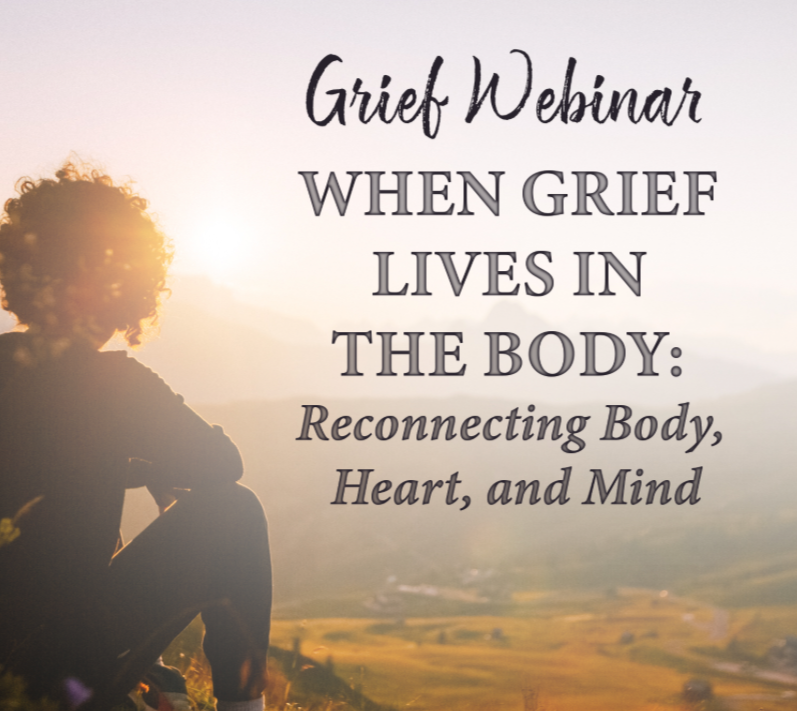
If this idea resonates with you, I also recorded a deeper conversation about how grief and emotional overwhelm affect the body and why simple, sustainable practices matter more than dramatic changes.